Do You Need Tech Skills to Start a Blog?
You know what stops most women from starting their blog? It’s not lack of knowledge or experience. It’s the voice in their head saying, “But I’m not tech-savvy.”
I hear this all the time. Women who spent 30 years running departments, teaching classrooms, managing practices.
Women who figured out how to raise families, navigate corporate politics, and handle everything life threw at them.
Somehow they think blogging requires some special technical genius they don’t have.
Let me tell you the truth right now: you don’t need tech skills to start a blog in 2026.
What you need is the willingness to click a few buttons and follow some simple steps. That’s it.
What Actually Counts as “Tech Skills” for Blogging?
Here’s what people picture when they hear “tech skills”: coding in a dark room, typing green text on black screens, understanding complicated programming languages.
That’s not blogging. That’s Hollywood.
Modern blogging platforms have done something pretty remarkable. They’ve made the technical stuff so simple that if you can use email, you can absolutely run a blog.
I’m talking about content management systems like WordPress, which powers about 40% of the entire internet.
These platforms give you ready-made blog design options. You pick a look you like, click a button, and boom. Your blog looks professional. No coding required.
The real skills you need?
Writing clearly.
Organizing your thoughts.
Understanding what your audience actually wants to know.
Those aren’t tech skills. Those are human skills you’ve been developing your entire life.
How Do Blogging Platforms Actually Work?
Think of blogging software like using a really smart word processor that publishes to the internet.
You type your words in a box. You click some buttons to make text bold or add a picture. You hit publish. That’s the basic workflow.
WordPress and similar platforms use what’s called a Gutenberg editor now. It’s drag-and-drop simple.
Want to add an image? Click the image button and upload your photo.
Want to create a list? Click the list button.
No HTML basics required. No CSS for blogs needed. The platform handles all that background stuff automatically.
Sure, you could learn those things eventually if you wanted to customize deeper. But to get started and publish quality content? Completely unnecessary.
I started my first blog knowing exactly zero about web hosting or domain registration. Things were much harder then and I was scared. I found a tutorial online and followed it step-by-step.
It took me a few hours and a few tutorials to finally get things working. I had no idea what nameservers were and had to dig deep to finally figure things out.
Back then I used HostGator just because it was the most beginner-friendly option at the time. I believe I used GoDaddy for my domain name. (I never use GoDaddy these days as I feel they prey on beginners and way overcharge.)

What About AI and Modern Blogging Tools?
Here’s where things get even easier for new bloggers in 2026.
AI tools have changed the game completely. They help with everything from generating blog post ideas to checking your grammar to suggesting better headlines.
You’re not competing with twenty-year-olds who grew up coding. You’re using the same accessible tools they are. The playing field is more level than it’s ever been.
AI can help you with SEO for blogs without needing to understand complicated algorithms. It can suggest improvements to your writing. It can even help format your content for better readability.
The technology is working for you now, not against you.
Do You Need to Understand Web Hosting and Domain Names?
You do need to set these up, but understanding them deeply? Not required.
Think of domain registration like getting a mailbox address. You pick a name, pay a small fee, and it’s yours. Most domain registrars walk you through the whole process with simple forms.
You need web hosting then and after you buy the hosting, they give you a set of nameservers that you have to add to your settings in your domain registrar. This is probably the most complicated part of the process. But with a good tutorial, it becomes clear.
Web hosting is where your blog lives on the internet. It’s like renting space for your mailbox. You pick a hosting plan, enter your payment info, and they handle the technical infrastructure.
Companies like BigScoots have made this ridiculously simple. They often offer one-click WordPress installation. Literally one click and your blog is live.
I cover the details in my guide to web hosting for beginners if you want more information.
What Writing Skills Actually Matter?
Here’s what matters way more than technical knowledge: can you communicate clearly?
Can you tell a story that keeps someone reading? Can you explain something you know well in a way that helps someone who doesn’t know it yet?
Those writing skills are what build an audience. Not your ability to edit CSS code.
Your decades of life experience give you something tech-savvy twenty-somethings don’t have. You’ve actually lived the solutions to problems people are searching for online. That’s content gold.
You’ve written emails, reports, presentations, letters. You’ve explained complicated things to colleagues, clients, kids, and confused relatives. You already know how to write for an audience.
Blogging is just conversation in written form. You’re absolutely capable of that.

How Much Do You Actually Need to Know About SEO?
Search engine optimization sounds scary. It’s really not.
Modern SEO for blogs is mostly about writing helpful content that actually answers people’s questions. Google’s gotten smart enough to recognize quality over keyword stuffing.
Basic SEO comes down to a few simple practices. Use clear headings. Write detailed answers to common questions. Include relevant images. Link to other helpful resources.
You don’t need to become an SEO expert to get found online. You need to write like a human being who cares about helping other human beings. The search engines reward that now.
Tools like Yoast or RankMath will literally tell you what to fix as you write. Green light means you’re good. Yellow or red means make a small adjustment. It’s that straightforward.
Want to go deeper? Check out keyword research for new bloggers when you’re ready.
What About Social Media Integration and Marketing?
Digital marketing sounds overwhelming until you realize it’s mostly just sharing your work where people hang out.
Social media integration means adding little buttons so readers can share your posts. Most blog themes include these automatically. You toggle them on in your settings. Done.
Actual social media marketing? That’s just posting links to your articles in places your readers spend time. Facebook groups. Pinterest. Maybe Instagram if your blogging niche is visual.
You’re not running complex ad campaigns right out of the gate. You’re having conversations and sharing helpful information. That’s marketing at its core.
Do You Need Graphic Design Skills?
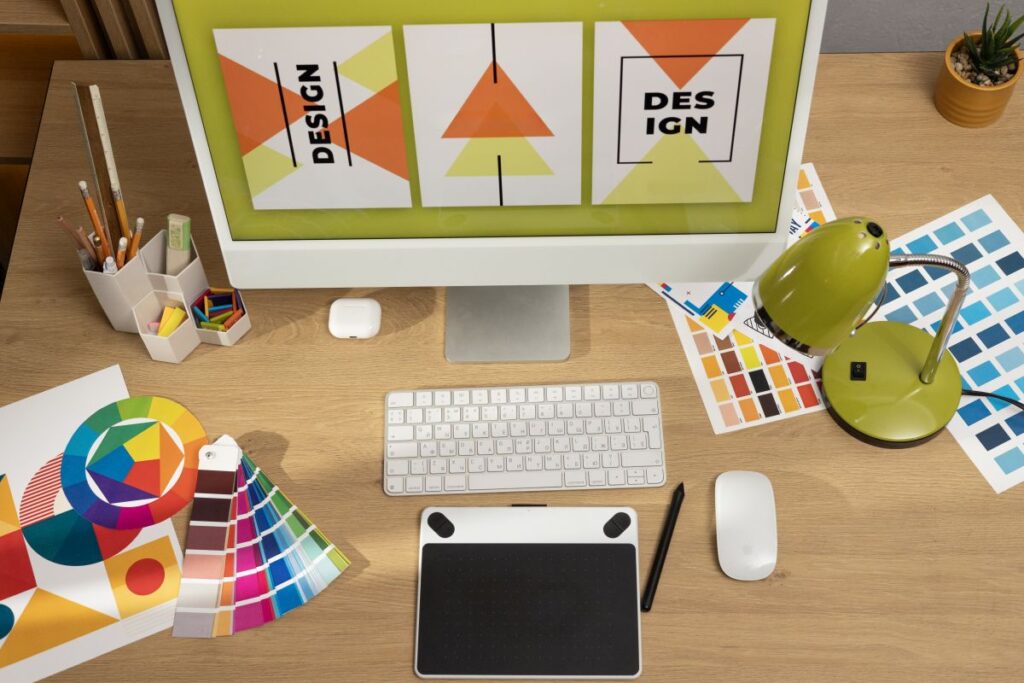
Not really. Canva exists.
Canva is a free tool that gives you templates for everything. Blog graphics, Pinterest pins, social media images. You pick a template, change the words and colors, and download. No graphic design degree required.
Your blog design comes from your chosen theme. You’re not building layouts from scratch. You’re selecting from professional options and maybe adjusting colors to match your style.
Understanding basic color scheme choices helps. But that’s more about picking what looks good to your eye than technical knowledge.
Can You Really Build an Online Presence Without Technical Knowledge?
Absolutely yes.
Building an online presence is about showing up consistently with valuable content. It’s about understanding your audience and giving them what they need.
The technical foundation? That’s handled by the blogging platforms and tools available today. They’ve done the hard work so you can focus on the important work, which is creating content that matters.
I’ve watched women with zero technical background build thriving blogs because they had something valuable to share and they committed to sharing it regularly.
Your expertise in your blogging niche matters infinitely more than your ability to code.
What If You Get Stuck on Something Technical?
You will get stuck. Everyone does.
Here’s the secret: Google it. YouTube it. Ask in a Facebook group for bloggers.
The blogging community is ridiculously helpful. Someone else has already had your exact problem and posted the solution online.
Most blogging platforms also have extensive support documentation. Step-by-step guides with screenshots. Video tutorials that show you exactly where to click.
You’re not expected to figure everything out alone. That’s not how any of this works.
Getting stuck isn’t failure. It’s part of the learning process. And honestly? The technical stuff gets easier every single time you do it.

What Should You Actually Focus On?
Forget obsessing over website analytics and conversion rate optimization when you’re starting out. That comes later.
Focus on these things instead:
Finding your voice and angle. What unique perspective do you bring? What do you know that others need? Finding your unique voice is where you should invest your energy.
Creating helpful content consistently. One good article per week beats sporadic genius every time.
Understanding who you’re writing for. Your target audience shapes everything else.
Building confidence as you go. Each published post makes the next one easier.
The technical skills you actually need? You’ll pick them up naturally as you blog. You don’t need them before you start.
So What’s Really Stopping You?
If it’s not technical skills holding you back, what is it?
Fear of not being good enough?
Impostor syndrome telling you nobody wants to hear from you?
Worry that you’ve missed your chance?
Those are lies. Every single one.
You’ve got decades of knowledge and experience that people are actively searching for right now. Your age is an advantage, not a limitation. Your life experience is valuable content waiting to be shared.
The blogging tools are easier than they’ve ever been. The audience is bigger than it’s ever been. And the world needs more authentic voices from people who’ve actually lived what they’re teaching.
You don’t need permission. You don’t need technical genius. You just need to start.
Pick a blogging platform, choose your domain name, and write that first post. The technical stuff will fall into place as you go.
Your experience matters. Your voice matters. And you’re absolutely capable of sharing both online.
Frequently Asked Questions
Do I need to know how to code to start a blog? No. Modern blogging platforms handle all the coding automatically. You work with visual editors that require no programming knowledge.
How long does it take to learn the technical side of blogging? Most people can set up a basic blog in an afternoon. You’ll continue learning as you go, but you don’t need to master everything before starting.
What if I make a technical mistake on my blog? Mistakes are fixable. Most platforms have undo buttons, and worst case, you can restore from backups or ask for help in blogging communities.
Are free blogging platforms good enough for beginners? Free platforms work fine for testing, but self-hosted options give you more control and monetization options as you grow.
Can I hire someone to handle the technical parts? Yes, but it’s often unnecessary. The setup is simpler than you think, and learning the basics gives you more control over your blog long-term.