Blogging After 50 Myths Debunked
Let get these blogging after 50 myths debunked because they are everywhere, and honestly, they’re keeping incredible voices silent.
Let me cut through the noise right now: I’ve seen countless people in their 50s, 60s, and beyond launch successful blogs that make money, build communities, and create genuine impact.
The internet loves to act like blogging is a young person’s game. Spoiler alert: that’s complete nonsense.
Is It Really Too Late to Start Blogging?
This might be the biggest myth floating around about blogging for seniors. People assume that because they didn’t start in their 20s, they’ve somehow missed the boat.
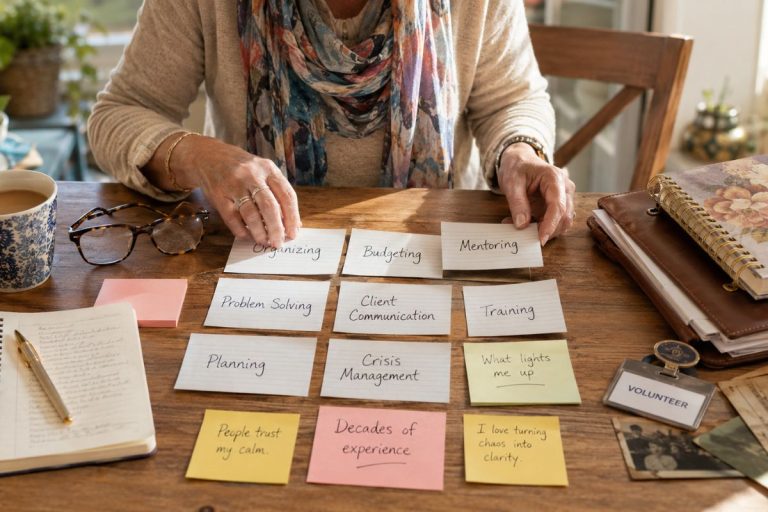
Here’s what actually happens when you start a blog after retirement or during midlife: you bring decades of real-world experience, refined communication skills, and authentic stories that younger bloggers simply can’t match.
Your perspective isn’t a disadvantage, it’s your competitive edge.
The truth about age and blogging? Readers crave authenticity and depth. They’re tired of surface-level content from people who’ve barely lived.
Your years of experience translate directly into content that resonates.

Do You Need to Be Tech-Savvy to Blog?
Let’s talk about technical skills and blogging misconceptions. The stereotype suggests you need to be some coding wizard to launch a blog.
Reality check: modern blogging platforms for seniors are designed for absolute beginners.
WordPress and other content management systems have drag-and-drop interfaces that make blog design simpler than ordering groceries online.
If you can send an email, you can start a blog. Digital literacy for seniors has come a long way, and the tools have gotten easier, not harder.
Sure, there’s a learning curve. But every skill you’ve mastered in life started somewhere.
Remember learning to drive?
Remember using a computer for the first time?
This is no different.
Will Anyone Actually Read Your Blog?
This blogging falsehood drives me crazy. People think audience engagement only happens if you’re under 30 or talking about trending topics. Wrong.
The over 50 blogging community is thriving because mature bloggers create content with substance.
You’re not chasing viral moments or manufactured drama. What you are doing is sharing genuine insights about retirement hobbies, lifelong learning, personal experiences, and niche topics you actually understand.
Empty nester blogs, retirement blogging, and 50 plus lifestyle blogs consistently attract engaged readers because they solve real problems and speak to specific audiences.
Your age isn’t limiting your reach, it’s defining your perfect niche.

Can You Make Money Blogging After 50?
These blogging myths about monetization need to die. The belief that only young influencers make money blogging is one of the biggest blogging myths debunked by actual data.
Baby boomer bloggers are crushing it with affiliate marketing, digital products, sponsored content, and consulting services.
Why?
Because brands want to reach the demographic with actual purchasing power. Spoiler: that’s you.
Monetization strategies for senior bloggers often work better than for younger creators because you have established expertise, professional networks, and credibility that takes years to build.
Income opportunities aren’t age-restricted, they’re value-restricted. If you provide value, you can monetize.
Don’t You Need Perfect Writing Skills?
Another myth in the blogging legends category: you need to be a professional writer to succeed. Listen, blogging isn’t about winning literary awards. It’s about connecting with people and sharing useful information.
Content creation for older adults often succeeds precisely because it’s conversational and authentic, not polished to sterile perfection.
Your writing skills improve with practice. Every post makes you better. The bloggers who succeed aren’t necessarily the best writers, they’re the most consistent ones.
Writing tips for seniors always emphasize one thing: write like you talk. Your unique voice matters more than grammatical perfection.
SEO for blogs helps people find you, but authentic storytelling keeps them coming back.

Is Starting a Blog Too Time-Consuming?
Time management concerns are valid but often exaggerated. The blogging assumption here is that you need to publish daily or maintain some exhausting schedule. Not true.
Successful blogging in later life often means posting weekly or even bi-weekly with quality content.
A consistent content calendar matters more than constant content. Many senior citizen bloggers treat their blog like a part-time project that fits around their actual life.
You’re not building a media empire overnight. Remember this: you’re creating something meaningful at your own pace.
That’s not just acceptable, it’s actually the sustainable approach that leads to long-term success.
What About Social Media and Promotion?
The blogging stereotypes around social media promotion make people think they need to be on every platform, posting constantly.
More blogging myths exposed: you don’t need TikTok, Instagram, Twitter, and Facebook all running simultaneously.
Pick one or two channels that make sense for your niche blogging strategy.
Social media for older folks works best when you focus on platforms where your target audience actually hangs out.
LinkedIn for professional topics, Facebook groups for community building, Pinterest for visual niches.
Social media integration supports your blog, it doesn’t define it. Your blog is home base. Everything else is just distribution.
Do You Need a Perfect Niche Right Away?
Niche selection paralysis stops more blogs before they start. The blogging beliefs suggest you need some perfectly defined niche from day one.
Reality? Your niche often reveals itself through writing.
Start with broad interests and see what resonates. Blog topics that excite you will naturally attract similar readers.
Niche ideas for senior bloggers often combine life experience with current interests, creating unique angles younger bloggers can’t replicate.
Your niche might be gardening after retirement, financial planning from someone who’s actually retired, travel tips for empty nesters, or creative writing workshops for beginners. The possibilities are endless once you stop overthinking it.

Blogging Myths Debunked
Starting a blog after 50 isn’t just possible, it’s potentially one of the smartest moves you can make for mental stimulation, creative expression, and social engagement.
The blogging challenges you’ll face have nothing to do with age and everything to do with consistency, patience, and willingness to learn.
Every successful blogger started exactly where you are now: knowing nothing, feeling uncertain, wondering if anyone would care. The difference between those who succeed and those who don’t? They started anyway.
The blogging community for 50 plus is welcoming, supportive, and full of people who’ve proven these myths about starting a blog after 50 are complete fiction.
Your voice matters.
Your experience has value.
The internet needs more depth and less superficial noise.
Stop letting blogging misconceptions hold you back. Your story deserves to be told, and there’s an audience waiting to hear it.
FAQs
Is 50 too old to start blogging? No, 50 is an excellent age to start blogging because you have life experience, developed skills, and authentic perspectives that create valuable content.
How much does it cost to start a blog? You can start for free on platforms like Blogger, or invest around $50-100 annually for a self-hosted WordPress site with a custom domain.
How long before my blog makes money? Most blogs take 6-12 months to start generating income, though this varies based on your niche, consistency, and monetization strategy.
Do I need to show my face on my blog? No, many successful bloggers remain anonymous or use illustrations instead of photos. Your content matters more than your appearance.
What should I blog about? Blog about topics you know well and genuinely care about, whether that’s hobbies, professional expertise, life lessons, or personal interests.
How often should I post? Start with one quality post per week. Consistency matters more than frequency, and you can adjust as you find your rhythm.