How to Write Your First Blog Post: A Simple Guide for New Bloggers
Writing your first blog post doesn’t require special skills or perfect writing. It requires clarity, structure, and a willingness to start. These steps keep things simple and help you move forward without overthinking.
Step 1: Choose a Topic You Already Know
Your first blog post should focus on something you’ve personally experienced, learned, or solved. This makes writing easier and more authentic. You don’t need to be an expert. You just need to be a step ahead of someone else.
Step 2: Write a Clear, Simple Title
A good title tells the reader exactly what they’ll learn. Avoid clever or vague titles. Instead, use clear language that matches what a beginner would actually search for.
Step 3: Create a Basic Outline
Before you write, list 3–5 main points you want to cover. These will become your section headings. An outline keeps you focused and prevents rambling.
Step 4: Write Like You’re Helping One Person
Imagine you’re explaining this topic to a friend who asked for help. Use plain language, short paragraphs, and examples when possible. You’re not writing for everyone, you writing for just one reader.
Step 5: Edit for Clarity, Not Perfection
Your goal is not to sound polished. Your goal is to be understood. Remove anything confusing, break up long paragraphs, and keep sentences simple.
Step 6: Publish and Move On
Your first blog post is not meant to be perfect. Publishing is how you learn. Every blog improves through practice, not waiting.
Knowing how to write your first blog post can feel overwhelming, especially if you’ve never shared your thoughts online before.
I remember staring at that blank screen, wondering if anyone would actually want to read what I had to say.
The good news? Every successful blogger started exactly where you are right now.
Writing your first blog post doesn’t require perfect grammar or years of experience. It just needs to come from an authentic place and provide value to your readers.
What Should Your First Blog Post Be About?
Your inaugural post sets the tone for your entire blog, so choosing the right topic matters. Here are some solid blog post ideas for beginners:
Introduce Yourself and Your Mission Share your story, why you started blogging, and what readers can expect. This personal approach helps build an immediate connection with your audience.
Share a Lesson You’ve Learned Think about experiences that taught you something valuable. These authentic stories resonate deeply with readers and establish your credibility.
Address a Common Problem in Your Niche If you’re passionate about gardening, cooking, or travel, identify a challenge others face and offer your perspective or solution.
When selecting your blogging niche, consider topics you naturally talk about with friends and family. This authentic passion will shine through in your writing and keep you motivated during challenging moments.
How Do You Structure Your First Blog Post?
Good blog post structure makes your content easy to read and understand. Think of it as building a house. You need a solid foundation and logical flow.
Start with a Compelling Introduction
Your opening paragraph should hook readers immediately. Share a brief story, ask a thought-provoking question, or present a surprising fact related to your topic.
Use Clear Subheadings
Break your content into digestible sections with descriptive headings. This helps readers scan your post and find exactly what they’re looking for.
Include Practical Examples
Don’t just tell readers what to do – show them. Specific examples and actionable blogging tips make your content more valuable and memorable.
End with a Strong Conclusion
Summarize your main points and include a clear call to action. Ask readers to comment, share their experiences, or try your suggestions.
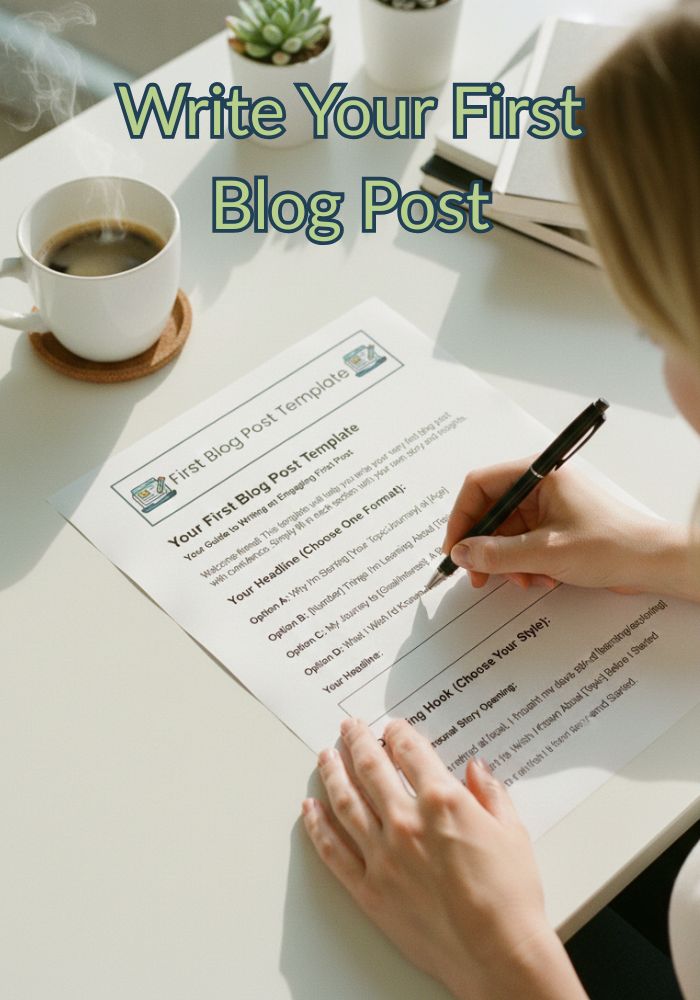
Get This Fill-in-the-Blank First Post Template
Your first blog post doesn’t need to be perfect. It needs to be written.
This template walks you through exactly what to write, section by section. Fill in the prompts, follow the structure, and you’ll have a real first post that sounds like you. No guessing. No staring at a cursor. No overwhelm.
What Blogging Tools Do You Actually Need?
Content creation doesn’t require expensive software or complicated systems. Here are the essential blogging tools that will serve you well:
A Reliable Blogging Platform
Choosing the right platform depends on your technical comfort level and long-term goals. WordPress, Squarespace, and Medium each offer different advantages for beginner blogging.
Basic SEO Knowledge
Understanding SEO for blogs helps your content reach more people. Focus on writing naturally about topics your audience cares about, and the technical aspects will come with time.
Content Planning Tools
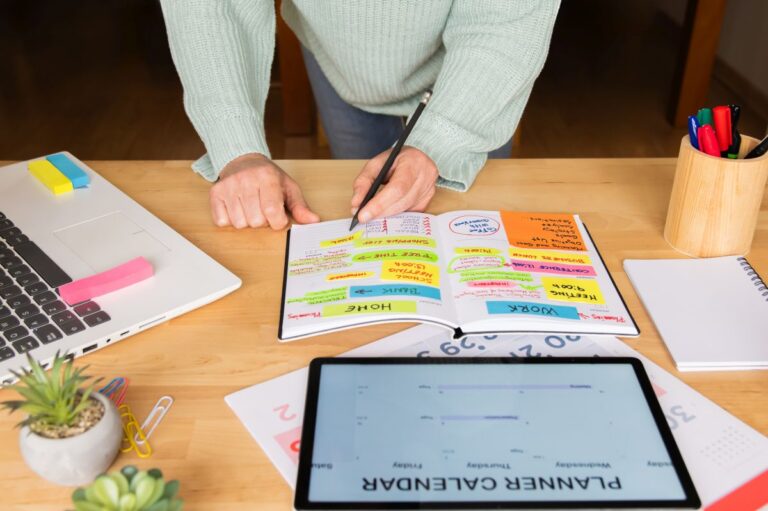
A simple calendar or notebook works perfectly for tracking blog post ideas and maintaining a consistent blogging schedule.
How Do You Find Your Authentic Blogging Voice?
Developing your unique blogging voice takes time, but starting authentically accelerates the process. Write like you’re talking to a good friend over coffee.
Use words and phrases that feel natural to you.
Your blogging style should reflect your personality and expertise.
Are you encouraging and supportive?
Direct and practical?
Funny and lighthearted?
There’s no wrong approach as long as it feels genuine.
Finding your unique voice becomes easier when you focus on serving your readers rather than impressing them with fancy language.

What About SEO and Getting Found Online?
Many new bloggers worry obsessively about SEO optimization, but here’s the truth: great content that helps people naturally performs well in search engines.
Focus on writing valuable posts that answer real questions your audience has. Use keywords naturally throughout your content, but never at the expense of readability or helpfulness.
Simple On-Page SEO Basics:
- Include your main topic in your title and first paragraph
- Use descriptive subheadings that preview your content
- Write meta descriptions that accurately describe your post
- Add alt text to images that explains what they show
Building organic traffic takes time. Be patient and keep creating helpful content consistently.
How Often Should You Publish New Posts?
Blogging consistency matters more than frequency. Publishing one quality post per week beats posting daily content that doesn’t provide value.
Choose a blogging schedule you can realistically maintain long-term. Whether that’s once a week or twice a month, stick to your commitment. Your audience will appreciate knowing when to expect new content.
Consider creating a simple editorial calendar to plan your posts in advance. This removes the stress of constantly brainstorming new blog post ideas and helps maintain your publishing schedule.

What Mistakes Should You Avoid?
Every blogger makes mistakes, but avoiding these common pitfalls will save you time and frustration:
Don’t Try to Please Everyone
Attempting to appeal to every possible reader dilutes your message. It’s better to deeply connect with a smaller, engaged audience than to barely resonate with a large, disinterested one.
Avoid Perfectionism Paralysis
Your first post won’t be perfect, and that’s completely fine. Publishing imperfect content beats never publishing at all. You’ll improve with every post you write.
Don’t Ignore Your Audience
Pay attention to comments, questions, and feedback. Your readers often provide the best ideas for future content and help you understand what resonates most.
Understanding your target audience from the beginning helps you create more focused, valuable content.
How Do You Stay Motivated as a New Blogger?
Blogging success doesn’t happen overnight. Set realistic blogging goals and celebrate small wins along the way. Your first comment, your first subscriber, and your first month of consistent posting are important milestones that matter.
Connect with other bloggers in your niche through social media or blogging communities. Having support and encouragement from people who understand the journey makes a significant difference.
Remember why you started blogging in the first place. Whether it’s sharing your expertise, connecting with like-minded people, or building a business, keeping your original motivation in mind helps during challenging periods.

Ready to Write Your First Blog Post?
Knowing how to write your first blog post successfully comes down to starting with authentic content that serves your readers.
Focus on being helpful rather than perfect, and remember that every expert blogger started exactly where you are now.
The most important step is simply beginning.
Choose a topic you’re passionate about, structure your thoughts clearly, and share your unique perspective with the world.
Your voice and experiences matter more than you realize.
Frequently Asked Questions
How long should my first blog post be? Aim for 800-1500 words for most topics. Focus on covering your subject thoroughly rather than hitting a specific word count.
Do I need professional photos for my blog? Not initially. Stock photos or simple images you create work fine. Quality improves over time as your blog grows.
Should I promote my first post on social media? Yes, but focus on being helpful rather than promotional. Share your post where your target audience naturally gathers online.
How do I know if my blog post is any good? If it answers a question your audience has and provides actionable value, you’re on the right track. Reader engagement will tell you more than view counts.
What if nobody reads my first post? This is completely normal. Building an audience takes time. Focus on creating consistent, valuable content and promoting it appropriately.