Promoting Services vs Physical Products On Your Blog
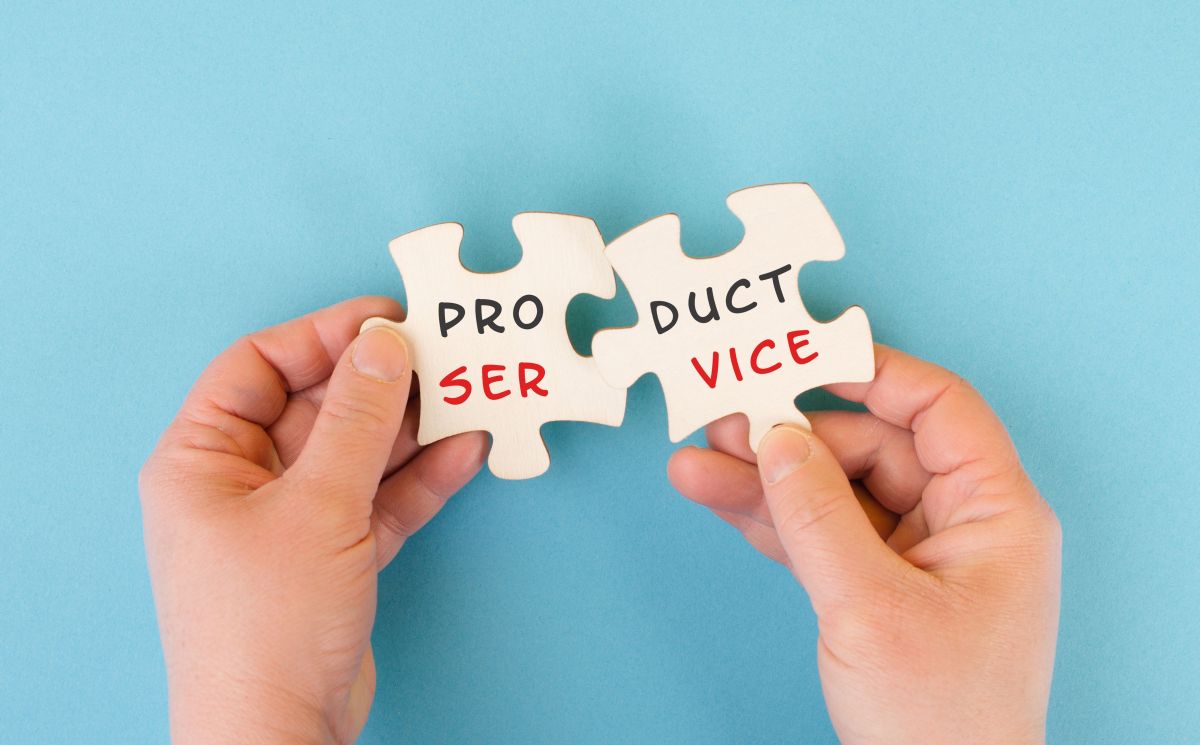
Promoting services vs physical products might be the most important strategic decision you’ll make as a blogger, and honestly?
Most people get this completely backwards.
Many bloggers spin their wheels promoting low-commission physical products when they could be earning 10x more with the right service partnerships.
The difference between these two approaches isn’t just about commission rates. It’s about understanding what your audience actually needs and how to deliver real value.
Let me break down everything I’ve learned about these marketing strategies so you can skip the expensive mistakes I made.
What Makes Service Marketing Different From Product Marketing?
Here’s what nobody tells you about service marketing: it requires a completely different approach to customer experience and value proposition.
Physical products are tangible. Your reader can see them, touch them, return them if needed.
Services?
They’re selling transformation, expertise, and results that only exist in the future.
When you’re doing service marketing, you’re asking people to trust that something intangible will deliver value. That means your content marketing needs to work harder to build credibility and demonstrate real-world results.
Product marketing focuses on features and specifications. Service marketing lives or dies on relationship building and proving you understand your target audience’s pain points.
Why Services Usually Mean Better Commissions (And Better Content)
Want to know the truth about affiliate marketing? Physical product commissions typically range from 1% to 10%. Service commissions?
We’re talking 20% to 50%, sometimes even 100% on the first month of recurring revenue.
I learned this after spending six months promoting kitchen gadgets through Amazon Associates, making maybe $200 total.
Then I switched to promoting web design services and made that in my first week.
The service differentiation isn’t just about money. Services often have longer customer lifecycle periods, which means recurring commissions.
Someone buys a blender once. They pay for email marketing software every single month.
Plus, writing about services forces you to create deeper, more valuable content. You can’t just list specifications. You need to explain processes, share case studies, and demonstrate transformation.

How Do You Actually Position Services to Your Audience?
Your brand positioning changes dramatically depending on whether you’re promoting services or products.
For physical products, you’re often competing on price, features, and convenience. Your advertising channels might focus on comparison shopping and deal-hunting.
Services require brand storytelling that emphasizes customer satisfaction, service quality, and the intangible benefits people receive. Your value proposition needs to answer: “What will my life look like after using this service?”
I’ve found that service differentiation works best when you can demonstrate personal experience.
Have you actually used the web hosting you’re recommending?
Can you share screenshots from inside the email marketing platform?
This authentic approach builds customer engagement way better than generic product descriptions.
What About E-commerce vs Service-Based Affiliate Programs?
E-commerce affiliate programs are everywhere. Amazon, Target, Walmart. Easy to join, millions of products, terrible commission rates.
Service-based programs require more intentional relationship marketing. You’re building partnerships with companies that value quality over quantity. Think ConvertKit over Amazon. Kinsta over AliExpress.
The customer journey for services is longer. People don’t impulse-buy $500/year software subscriptions. They research, compare, read reviews, maybe sign up for free trials. Your content strategy needs to support every stage of that sales funnel.
For physical products through retail marketing channels? The sales pipeline is shorter but the customer value is lower. Quick wins, small commissions.
How Should You Structure Content Differently?
Content marketing for services needs more depth and strategic planning than product reviews.
When promoting physical products, your competitive analysis might focus on price comparison and feature lists. You’re creating quick-decision content that matches search intent for buyers ready to purchase.
Service promotion requires educational content that builds trust over time. You’re writing comprehensive guides, tutorials, case studies, and comparison articles that demonstrate deep understanding of your niche market.
I structure my service content around the customer experience journey.
What problems are they facing?
How does this service solve it?
What results can they realistically expect?
This approach to content strategy creates genuine value while naturally leading to conversions.
Your blog revenue models might actually shift once you understand this distinction. Services support premium positioning. Products support volume plays.
Which Pricing Strategies Actually Convert?
Here’s where it gets interesting. Pricing strategies differ dramatically between services and products.
Physical products often use competitive pricing or economy pricing. You’re highlighting deals, discounts, and value-for-money positioning.
Services justify value-based pricing through demonstrated results. Instead of “this is the cheapest option,” you’re saying “this delivers the best outcomes for your specific situation.”
When I write about services, I rarely lead with price. I lead with transformation, then explain how the investment makes sense. For products, price is often a primary factor in the buying decision.
Dynamic pricing and bundle pricing work well for digital services. Annual plans with discounts, tiered offerings, add-on features. This creates natural upsell opportunities that physical products rarely offer.

What Does Market Research Tell You About Your Audience?
Your market research should inform whether you focus on services or products.
If your audience analysis shows people looking for quick solutions to immediate problems, physical products might convert better.
Kitchen tools for easier meal prep. Planners for better organization.
If your buyer persona reveals people investing in long-term transformation? Services win.
Email marketing platforms for growing their business. Course creation tools for building their expertise.
I spent time really understanding my target audience through surveys and customer feedback. Turned out they weren’t looking for cheap gadgets. They wanted reliable solutions that would work long-term without requiring constant replacement.
Demographics and psychographics matter here. Audience targeting for people over 50 often reveals preferences for quality, reliability, and excellent customer service over bargain hunting.
How Do Social Media Marketing and Advertising Channels Change?
Your social media marketing strategy shifts based on what you’re promoting.
Physical products work great on visual platforms. Pinterest is perfect for showing beautiful products in lifestyle contexts. Instagram shopping features make it easy to tag and sell.
Services benefit from educational content on platforms where you can build community management and ongoing engagement. Facebook groups where you teach strategies. LinkedIn where you demonstrate expertise.
Advertising campaigns for products often focus on immediate conversion and point of sale optimization. Services need longer lead generation and nurturing strategies through email marketing and marketing automation.
When I shifted from promoting products to services, my entire approach to online advertising changed. Less “buy this now” urgency, more “here’s how this transforms your business” education.

Can You Mix Both Strategies Effectively?
Absolutely. The smartest bloggers I know use both approaches strategically.
Physical products create quick wins and help with customer acquisition. Someone buys a $30 planner through your link, they trust you, then they’re ready to hear about the $300/year planning software service.
Your product offering becomes a natural sales pipeline. Start with tangible, lower-risk recommendations that build credibility.
Once you’ve established brand loyalty and customer satisfaction, introduce higher-value service partnerships.
This approach to customer relationship management means you’re meeting people where they are in their buyer journey. Some readers want immediate solutions (products). Others are ready to invest in transformation (services).
I structure my content to support both. Product reviews that solve immediate problems. Service comparisons that support long-term goals. Both drive traffic, both generate income, but the services create sustainable revenue.
What About Service Delivery and Customer Expectations?
One challenge with service marketing is that you’re partially responsible for managing customer expectations even though you’re not delivering the service.
When writing about services, I’m extremely careful about setting realistic expectations. I don’t promise overnight success or miracle transformations.
I explain what’s required from the customer, what the learning curve looks like, and what support they can expect.
This approach to relationship marketing and customer engagement builds trust long-term. Yes, it might reduce immediate conversions.
But the customers who do purchase are happier, which means better customer retention and more positive feedback.
For physical products, the customer service expectations are simpler. Does it work as described? Did it arrive on time? Much easier to predict and explain.
How Does This Connect to Your Overall Strategy?
Understanding promoting services vs physical products fits directly into your broader business model and content strategy.
If you’re building a blog focused on transformation, expertise, and long-term results, services should dominate your monetization strategy. Check out writing product reviews that convert to understand how to make any affiliate promotion work harder.
If your niche is more about lifestyle, immediate solutions, and tangible improvements, products might be your primary focus with services as premium upsells.
Most successful bloggers land somewhere in the middle. They understand their unique selling proposition and competitive advantage, then structure their product portfolio accordingly.
Your affiliate link management and organization becomes crucial when you’re juggling both approaches. Different tracking systems, different commission structures, different promotional strategies.

Ready to Make Your Decision?
The truth about promoting services vs physical products comes down to alignment.
What does your target audience actually need?
What fits your brand identity and competitive differentiation?
Services typically offer better commissions, longer customer value, and opportunities for deeper content. Products provide quick wins, easier conversions, and tangible proof points.
My recommendation? Start with what you know and what your audience needs most. Build trust through authentic recommendations.
Then expand strategically as you understand what actually converts for your specific niche market.
Both approaches work. The key is understanding the differences and structuring your marketing strategies accordingly. Focus on delivering genuine customer value, and the revenue follows naturally.
Frequently Asked Questions
Do services always pay better commissions than physical products? Generally yes, services offer 20-50% commissions compared to 1-10% for physical products. Services also often include recurring commission structures that create ongoing income.
How long does it take to see results from promoting services? Service promotions typically take 2-3 months to gain traction since the buying cycle is longer. Physical products can convert faster but generate less revenue per sale.
Can I promote both services and products on the same blog? Absolutely. Many successful bloggers use products for quick wins and trust-building, then promote premium services to their engaged audience for higher-value conversions.
What types of services convert best for bloggers? Software services, email marketing platforms, web hosting, course creation tools, and membership platforms typically convert well. These solve real problems and offer recurring value.
How do I choose between promoting services or products? Consider your audience needs, your expertise level, and your content strategy. Services require deeper knowledge and longer content but offer better revenue potential. Products work for quick recommendations and lifestyle content.