Understanding Search Intent for Better Rankings: The Secret to Getting Found Online
Understanding search intent for better rankings isn’t rocket science, but it’s an overlooked piece of SEO that actually matters.
After 15 years of blogging, I can tell you that knowing what people really want when they type something into Google changes everything about how you create content.
Here’s what nobody tells you when you’re starting out: you can stuff your posts with perfect keywords and still get zero traffic. Why? Because you’re answering questions nobody actually asked.
Let me share something that happened last year. I wrote what I thought was an amazing post on one of my blogs about blogging platforms. I spent hours on it.
It had beautiful screenshots, detailed comparisons, and everything that I thought a post like this needed. It got maybe 20 visits total.
Then I rewrote it to match what people were actually searching for, which was “how do I choose a blogging platform that won’t confuse me.” Same topic, completely different angle. That version? Over 2,000 visits in three months.
That’s the power of understanding user intent.
What Exactly Is Search Intent Anyway?
Search intent is basically what someone really wants when they type a search query into Google. It’s the difference between someone researching options and someone ready to buy right now.
Think about it this way. If you search “best running shoes,” you’re probably researching and comparing. But if you search “Nike Air Zoom Pegasus 40 size 9 buy now,” you’ve got your credit card out.
This concept drives everything in search engine optimization today. Google’s gotten scary good at figuring out what people actually want, not just what words they typed.
Their algorithm updates over the past few years have all focused on matching content to the real human need behind the search.
And now with AI search tools like ChatGPT and Google’s AI Overviews changing how people find information?
Understanding intent matters more than ever. These tools analyze search behavior patterns using machine learning and artificial intelligence to predict exactly what you need.
This matters for your blog because creating content that matches search behavior means you show up in search engine results pages when people need exactly what you’re offering. Your click-through rate depends on it. So does your conversion rate.
Why Does Search Intent Matter for Your Blog Rankings?
Search intent matters because Google wants to give people the best answer to their question. If your content doesn’t match what someone’s looking for, Google won’t show it. Period.
When someone clicks your link from the SERP and immediately hits the back button? Google notices. That tells the search engine algorithms your content missed the mark. Your bounce rate spikes, and your rankings drop.
I learned this the hard way writing about keyword research. My first attempts focused on technical SEO tools and complicated strategies.
Guess what? People searching for beginner information don’t want a PhD-level course. They want simple, actionable steps they can follow today.
Once I shifted my content strategy to match what beginners actually needed, my organic traffic doubled. Same topic, same keywords, but a totally different approach to user experience and content relevance.
This is where search query analysis becomes your superpower. You stop guessing what people want and start knowing.

What Are the Four Main Types of Search Intent?
Every search query falls into one of four categories. Understanding these helps you create content that actually ranks.
Informational Intent is when people want to learn something or find an answer. These searches usually include words like “how to,” “what is,” or “why does.”
Your job? Provide clear, helpful answers without making people feel stupid. This is where long-tail keywords really shine because you can target specific questions your audience asks.
Natural language processing has made Google incredibly good at understanding these informational queries. You don’t need to stuff your content with exact-match keywords anymore.
Write naturally, answer thoroughly, and Google’s semantic search capabilities will figure out what you’re covering.
Navigational Intent is when folks know exactly where they want to go. They’re searching for a specific website or page. Like “Facebook login” or “WordPress dashboard.”
Unless you’re the actual brand people are searching for, you probably won’t rank for these. Focus your energy elsewhere.
Transactional Intent is buyer intent territory. Someone’s ready to take action. They might search “buy domain name” or “best email marketing service pricing.”
These searches have crazy high conversion optimization potential because people are ready to commit. The search volume might be lower than informational queries, but the people finding you are way more valuable.
When you’re doing SERP analysis for transactional keywords, pay attention to how AI Overviews handle them.
Google’s AI often provides direct purchase options or comparison tools right in the search results. Your content needs to offer something beyond what that AI summary provides.
Commercial Intent sits between informational and transactional. People are researching before buying. Think “best blogging platforms comparison” or “Bluehost vs SiteGround.”
This is where content relevance really matters because people are actively evaluating options. I’ve made more affiliate income from commercial intent posts than any other type.
How Do You Actually Figure Out Search Intent?
The easiest way is to look at what’s already ranking. This is called SERP analysis and it’s simpler than it sounds.
Type your target keyword into Google. What shows up? Are the top results how-to guides? Product reviews? Videos? Listicles? That tells you exactly what Google thinks people want for that search query.
Pay attention to featured snippets too. If Google’s pulling a definition or step-by-step list, that’s a huge clue about what format works best.
Here’s something new you need to watch: AI Overviews. When Google displays an AI-generated answer at the top of search results, study what information it includes.
That shows you what Google’s artificial intelligence considers the most important intent signals for that query.
I do this before writing every single post now. This takes five minutes and saves me hours of writing content that won’t rank.
When I’m working on keyword optimization, I literally open an incognito window, search my target keyword, and study the top 10 results.
Look at the organic search results versus paid search results too. If the top of the page is packed with ads, that’s a transactional keyword. If it’s mostly articles and guides, you’re looking at informational intent.
And here’s a trick I’ve been using lately: search the same keyword in ChatGPT or Claude. See what kind of answer the AI provides.
That gives you insight into how conversational AI interprets the query intent, which matters more and more as people shift to AI-powered search tools.

How Is AI Search Changing Everything?
Okay, we need to talk about the elephant in the room: AI search is completely changing how people find information online.
ChatGPT, Google’s AI Overviews, Perplexity, Claude – people are asking questions to AI instead of typing keywords into Google. And honestly? This is both scary and exciting for bloggers.
Here’s what I’ve noticed. When someone asks ChatGPT a question, they’re often more specific about their actual need.
Instead of searching “retirement blog tips,” they might ask “I’m 62 and want to start a blog about gardening but I’m worried I’m too old and don’t know enough about technology. Where should I start?”
That’s way more detailed than a typical search query. And it reveals intent so much clearer.
AI search tools pull from existing web content to generate answers. If your content clearly matches intent and provides genuinely helpful information, AI tools will reference it.
I’ve seen some of my blog posts quoted in ChatGPT responses, which drives traffic in unexpected ways.
But here’s the catch: AI-generated overviews often give people answers without them ever clicking through to your site. Your impressions might go up, but your click-through rate could tank.
So what do you do?
Write content that goes deeper than surface-level answers. If someone can get everything they need from a three-paragraph AI summary, they won’t visit your blog.
But if your content includes personal stories, specific examples, and detailed guidance that AI can’t fully capture? That’s when people click through.
Think about query understanding from an AI perspective. These tools use semantic search and contextual search to figure out what people really mean. They’re looking at entity recognition and the knowledge graph to understand relationships between concepts.
Your content needs to demonstrate depth and expertise that goes beyond what an AI can synthesize.
Use natural question-based headings that mirror how people actually talk. “What exactly is search intent anyway?” works better than “Search Intent Definition” because it matches conversational queries that people type into AI tools.
Include your experience and perspective. AI can summarize facts, but it can’t replicate your unique insights from 15 years of blogging. That’s your competitive advantage in an AI-powered search world.
How Do You Optimize Content for Different Search Intents?
Here’s where your content creation process needs to adapt based on intent type.
For informational intent, focus on thorough answers and clear explanations. Use question-based H2 headings that match natural language processing patterns.
When I’m targeting informational keywords, I make my title tags descriptive and specific. “What Is Search Intent” performs way better than “Search Intent Guide.”
For commercial intent, create detailed comparisons and honest reviews. Include pros and cons. This is where image optimization matters because people want to see what they’re comparing.
Your internal linking strategy should guide people through the intent journey. Someone reading an informational post might be ready for commercial content next. Link them there naturally without being pushy.
For transactional intent, make your call to action crystal clear. Fast page speed matters more here than anywhere else because every extra second of load time kills conversions.
Here’s what I’ve learned about optimizing for AI search: answer the question directly and immediately.
AI tools often pull the first couple sentences after a heading. Make those sentences count. Then go deeper with your unique insights, personal experience, and specific examples that AI can’t generate on its own.

What Tools Actually Help With Intent Analysis?
You don’t need expensive SEO tools to figure out search intent, but some resources definitely help.
Google Analytics shows you how people interact with your content. Which pages get the most impressions but low click-through rate? Your title might be mismatched to intent. High bounce rate on a specific page? Might be an intent mismatch.
Google Trends reveals search trends and seasonal patterns in search behavior. You can see how search queries change over time and adjust your content distribution strategy accordingly.
Search Console is free and incredibly powerful for understanding keyword ranking and search performance. It shows you which queries actually bring people to your site versus which ones you think should work.
Most keyword research tools now include intent indicators. They’ll tag keywords as informational, commercial, or transactional based on SERP analysis. Use these as a starting point but always verify by checking actual search results yourself.
Here’s a newer approach I’ve been testing: use AI tools themselves for research. Ask ChatGPT or Claude what people typically want to know about your topic. The AI’s response shows you how it interprets common query intent, which helps you understand what information gets prioritized in AI search results.
How Does This Connect to Everything Else in SEO?
Here’s something I wish I’d understood earlier: search intent isn’t some separate SEO thing you learn after mastering the basics. It’s actually the foundation that makes everything else work.
When I first started learning about search engine optimization, I thought it was all about technical stuff. Meta tags, keywords, backlinks. And sure, those matter. But I was doing SEO backwards.
Think about it. You can have the most technically perfect blog post ever written. Perfect keyword density, flawless internal linking, lightning-fast page speed. But if you’re answering the wrong question? Nobody cares.
That’s why intent changes how you approach keyword research for new bloggers completely. You’re not looking for high-volume keywords anymore. You’re looking for searches where you can actually deliver what people want.
The keyword research process becomes about finding the perfect match between what you know and what people need.
Same with on-page optimization. Once you know the intent, you know exactly how long your post should be, what format works best, and what kind of examples to include.
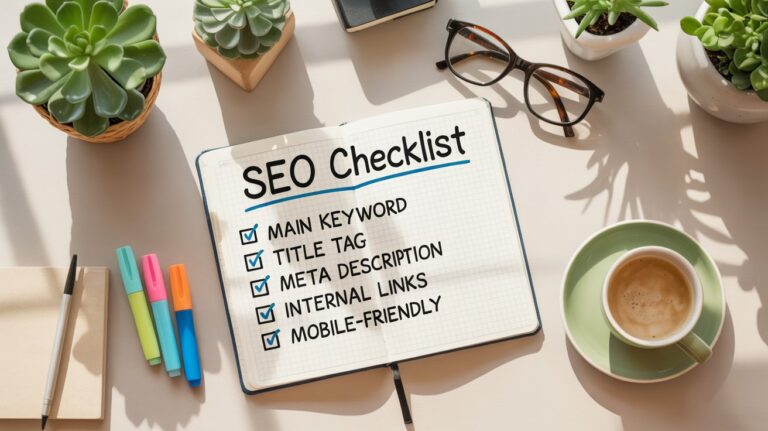
My on-page SEO checklist makes way more sense when you understand you’re not optimizing for robots. You’re optimizing for humans with specific needs.
Even off-page SEO works better when you start with intent. Guest blogging opportunities become clearer when you can pitch content that perfectly matches the host site’s audience intent. That link building happens organically because you’re providing real value that solves problems.
The SEO for beginners concepts you’re learning all connect back to intent. Title tags that match intent get higher click-through rates. Even your URL structure should hint at what kind of content people will find.
Understanding search intent for better rankings isn’t a trick or hack. It’s about creating genuinely helpful content that matches what people actually need when they search. Do that consistently, and the rankings follow naturally.
Start simple with your next post. Before you write a single word, spend five minutes analyzing what’s already ranking for your target keyword.
Look at Google’s AI Overview if there is one. Check what ChatGPT says about the topic. Ask yourself what those searchers really want. Then give it to them in your own authentic voice.
That’s how you turn random blog posts into content that actually gets found, read, and shared.
Frequently Asked Questions
What’s the quickest way to identify search intent?
Search your target keyword and look at the top 10 results. The content format and style Google ranks reveals exactly what intent it’s matching. Pay attention to AI Overviews too.
Can one piece of content target multiple search intents?
It’s possible but tricky. Usually better to create separate content for each intent type to maximize relevance and rankings.
How often does search intent change for keywords?
Intent can shift based on trends, seasons, and behavioral changes. Check your target keywords quarterly to catch major shifts.
Does search intent matter for AI search tools?
Absolutely. AI tools like ChatGPT analyze intent even more deeply than traditional search. Your content needs to match conversational query intent to get referenced by AI.
Can I rank without matching search intent perfectly?
You might rank temporarily, but Google’s algorithm will eventually recognize the mismatch and drop your position as user engagement metrics suffer.