Writing Email Subject Lines That Get Opened
Writing good email subject lines is probably the most underestimated skill in email marketing.
You can write the most brilliant email content in the world, but if nobody opens it? That brilliance dies in the inbox.
I’ve spent years managing email campaigns for clients across different industries. E-commerce brands, coaches, local businesses, you name it. And here’s what I’ve learned: the subject line does about 80% of the heavy lifting.
If you get that right, your email has a fighting chance. Get it wrong, and you end up talking to yourself.
Let me show you what actually works.
What Makes Email Subject Lines Actually Work?
Subject line best practices aren’t complicated, but most people get them wrong anyway. I sure did at first.
Try to keep it under 50 characters because mobile screens cut off anything longer, and many people are reading on their phones.
Be sure that you put the most important words first. Don’t bury your hook at the end where nobody will see it.
Always make promises you can actually keep. This is where most email copywriting falls apart. The subject line makes a big promise, the email doesn’t deliver, and trust evaporates.
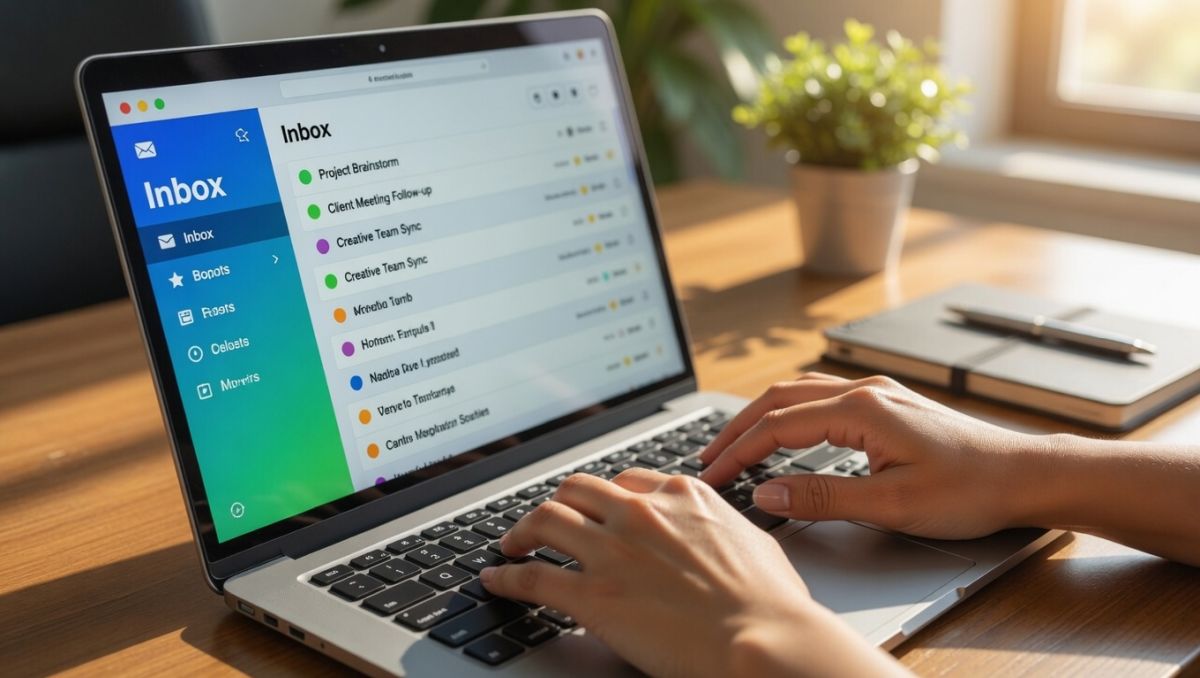
Think about your own inbox. Which emails do you actually open?
I bet you open the ones that are clear, relevant, and don’t waste your time with clickbait nonsense.
That’s your standard. Write subject lines you’d actually open yourself.
How Do You Improve Email Open Rates?
Email open rates start with one critical foundation: email deliverability.
If you’re landing in spam folders, even perfect subject lines won’t save you. Make sure your domain is authenticated (SPF, DKIM, DMARC – your email platform should help with this). Keep your list clean. Remove inactive subscribers regularly.
Once you’re actually reaching inboxes, here’s what moves the needle:
Personalization works, but don’t overdo it. Using someone’s first name can help, but if that’s your only personalization strategy, you’re missing the point. Email personalization should be about relevance, not just mail merge fields.
Test everything. A/B testing subject lines is the only way to know what your specific audience responds to. What works in one niche completely bombs in another. Don’t assume. Always test.
Create genuine urgency when it’s real. If something actually expires or is limited, say so. If it’s not? Don’t manufacture fake scarcity. Your audience isn’t stupid, and they’ll remember when you lie to them.

Why Does Email Engagement Matter More Than Opens?
Here’s something that took me way too long to learn: opens are vanity metrics.
Email click-through rates are what actually matter.
I’ve seen campaigns with 40% open rates and 1% clicks. That means people felt tricked by the subject line. They opened, realized the content didn’t match the promise, and ignored the call to action.
That’s worse than low opens. That’s damaged trust.
Your email content strategy needs to deliver on whatever promise your subject line makes. If you say “Quick tip,” give them a quick tip. If you promise a story, tell a story.
Email engagement happens when expectations match reality.
This also affects email branding. Over time, your subscribers learn whether opening your emails is worth their time. Deliver consistently, and they’ll keep opening. Disappoint them, and they’ll stop.
What Subject Line Formulas Get Results?
I keep a file of catchy subject lines that have performed well across different campaigns. Here are formulas that consistently work:
The specific how-to: “How to write your first blog post in under 2 hours” tells people exactly what they’re getting.
The personal story: “The embarrassing mistake I made with my email list” creates curiosity through vulnerability.
The direct question: “Ready to monetize your blog?” works when the question is actually relevant to what your audience is thinking about.
The specific number: Use 4, 5, 7, or 10 items. Vary your numbers so you don’t become predictable.
The benefit-driven statement: “Get more email subscribers without spending money on ads” leads with the outcome people want.
Avoid being clever for clever’s sake. Being clear beats being cute every single time. If you’re working on your blog content, the same principle applies to writing attention-grabbing headlines for your posts.
How Should You Personalize Email Campaigns?
Email list segmentation is where email marketing gets powerful.
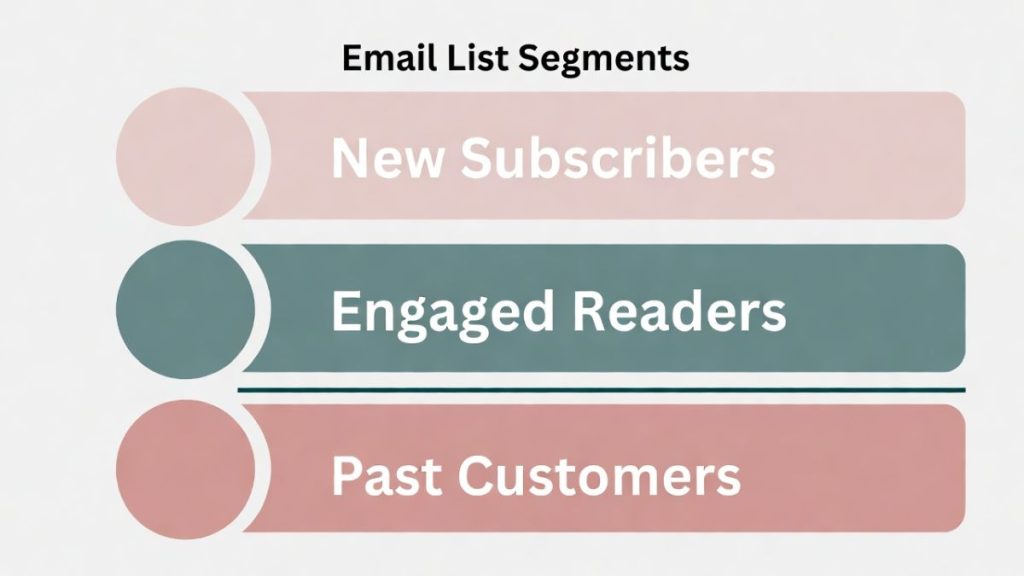
Don’t just send the same message to everyone. You should segment your list by behavior, interests, or where they are in their journey with you.
For example, new subscribers need different messaging than long-time readers. Someone who’s purchased from you before gets different emails than someone who’s only downloaded freebies.
Most email automation platforms make this easier than you’d think. You can tag people based on what they click, what they download, or what pages they visit.
Your emails need to treat different subscribers differently. Someone who opens every email deserves VIP treatment. Someone who hasn’t opened in months needs a re-engagement approach.
Email personalization is about what’s relevant to them and where they are in their journey with you. It’s not just using their first name. This is a lot like how understanding search intent helps you create content that actually matches what your readers need.
What Role Does Testing Play in Better Opens?
A/B testing subject lines should be standard practice for any important email.
Send two versions to small portions of your list, see which performs better, then send the winner to everyone else. Most email platforms have this built in.
What to test:
- Length (short vs. descriptive)
- Tone (casual vs. professional)
- Format (question vs. statement)
- Personalization (name vs. no name)
- Emoji use (yes vs. no)
The results will surprise you. What you think will work often doesn’t. What seems too simple often crushes it. Be sure you test one thing at a time and take notes.
Track email conversion rates too, not just opens. An email that gets opened but doesn’t drive action is missing the point.
How Do You Write Subject Lines That Convert?
Your email call to action starts in the subject line.
If you want someone to download something, hint at it: “Grab your free blog checklist inside.”
If you want them to read a teaching email, tease the value: “The traffic strategy nobody talks about.”
If you’re promoting something, be clear about it: “New course launching this week.”
This connects to whatever email templates you’re using. Promotional emails need different subject lines than nurture emails or educational content.
Match your subject line to what your actual goal is. Don’t be vague when you need people to take action. Don’t be pushy when you’re building relationships.
What Mistakes Kill Email Open Rates?
I’ve seen every email marketing mistake in client campaigns. Here’s what absolutely destroys open rates:
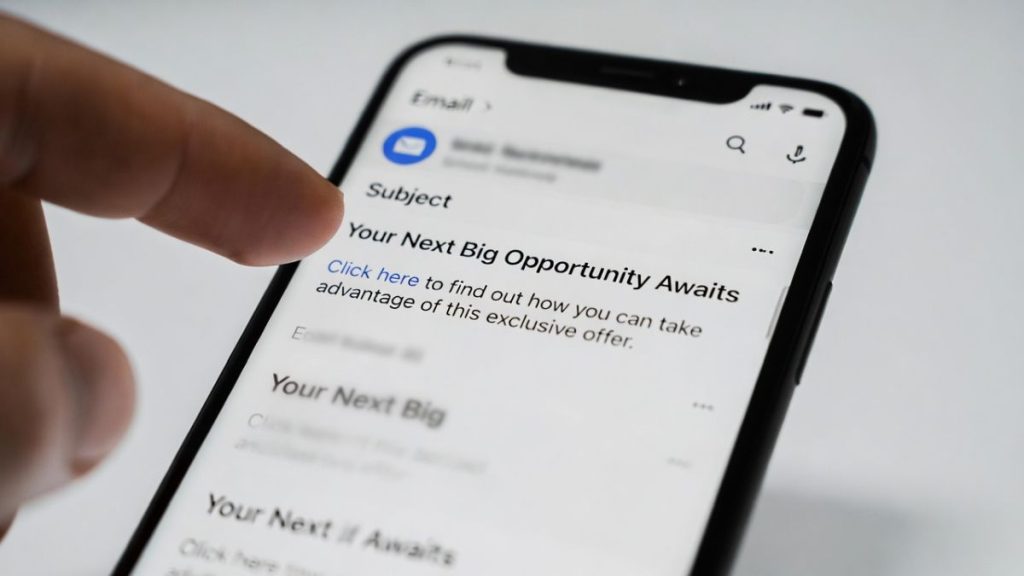
Clickbait that doesn’t deliver. “You won’t believe this” followed by something completely ordinary kills trust permanently.
ALL CAPS or excessive punctuation!!! This screams spam and triggers filters. Don’t do it.
Being consistently boring. “Newsletter” or “Monthly update” tells people nothing about why they should care.
Ignoring mobile. Most emails get opened on phones. If your subject line doesn’t work on a small screen, you’ve already lost.
Never testing or tracking. Sending the same style of subject line forever without checking what actually works is lazy marketing.
How Can You Maintain Consistent Email Engagement?
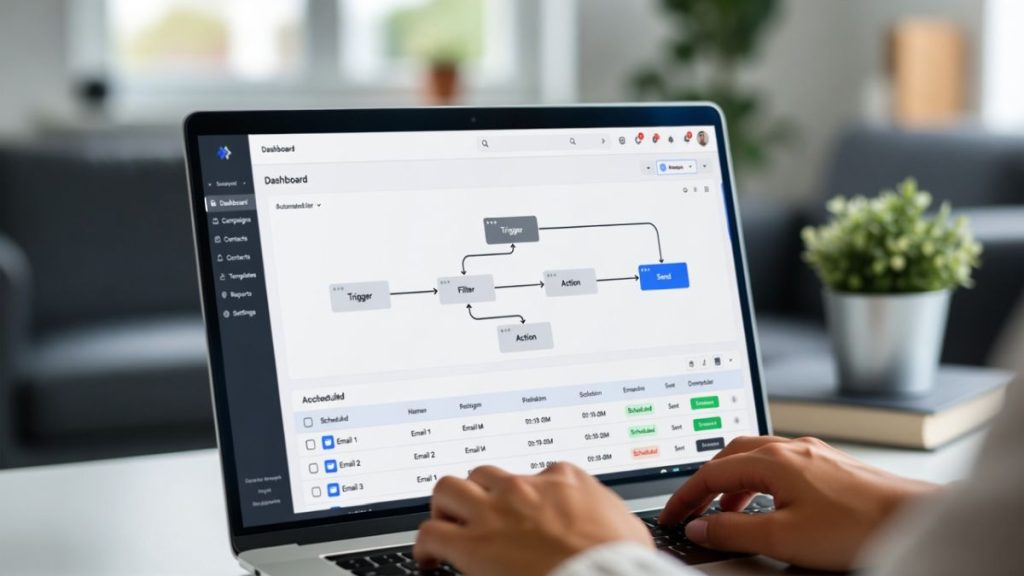
Email automation is how you stay consistent without burning out.
Set up your welcome sequence. Build nurture campaigns. Schedule regular newsletters that send automatically.
But automated doesn’t mean robotic. Your email templates should sound like you, not like a corporate marketing department.
Write in batches if that helps, but always review before sending it out. What felt relevant last week might feel tone-deaf today.
Consistency matters for email deliverability too. Email providers track your sending patterns. Sporadic sending can hurt your reputation and inbox placement.
Think about your email strategy the same way you’d approach creating evergreen content for your blog by building systems that keep working for you over time.
Why Should You Care About Writing Good Email Subject Lines?
You need to care about your subject lines because email marketing still delivers the highest ROI of any digital channel when you do it right.
Social media algorithms change constantly. Google updates can tank your traffic overnight. But your email list? You own that relationship.
Writing good email subject lines is the gateway to everything else. Every open is someone choosing to spend time with your message over the hundred other emails they got today.
That’s powerful.
Your subject lines communicate respect for people’s attention. They set expectations for what follows. They’re the difference between a thriving email list and a dead one.
Master this skill now, while you’re building your list, and you’ll have a direct line to your most engaged audience whenever you need it.
FAQs
How long should email subject lines be? Aim for 40-50 characters maximum. Mobile devices truncate longer subject lines, and most people read email on phones. Put your most important words at the beginning where they won’t get cut off.
Should I use emojis in subject lines? Test them with your audience first. Some niches respond well to emojis, others find them unprofessional. Use sparingly and only when they add actual meaning, not just decoration.
How often should I send marketing emails? Consistency matters more than frequency. Weekly works well for most bloggers. Monthly feels disconnected. Daily only works if you’re providing exceptional value every single time.
What’s a good email open rate? Industry benchmarks typically range from 20-25%, but this varies by niche and list quality. Above 25% is solid. Above 30% is excellent. Below 15% means your subject lines or list health need serious attention.
Can I reuse successful subject lines? Yes, but strategically. If a subject line formula worked well, create variations. Don’t send the exact same subject line repeatedly unless significant time has passed and you have mostly new subscribers.
How do I avoid spam filters? Avoid trigger words (free, guarantee, act now), don’t use all caps, maintain a clean email list, authenticate your domain properly, and focus on engagement over volume. Monitor your deliverability metrics regularly.
Should subject lines match my brand voice? Absolutely. If you’re conversational in your content, be conversational in subject lines. Inconsistency between your subject line tone and email content destroys trust and confuses readers.
What’s the best day to send emails? Tuesday through Thursday generally perform well for most industries, with Tuesday mornings showing strong engagement. But test this with your specific audience because behavior varies by niche and demographics.